In today’s Digital India era, smartphones are no longer just communication tools—they are our lifelines. From banking, UPI payments, and electricity bills to income tax, property tax, school fees, and office work, almost everything depends on our mobile phones.
But as we enjoy this convenience, cyber criminals are getting smarter and more dangerous. A new scam is spreading fast where hackers send malicious .APK files through WhatsApp and silently take control of your device.
This guide explains everything you need to know:
What the WhatsApp APK scam is
What an APK file actually is
How hackers gain control of your phone
What to do if the file comes from a friend
The possible risks after a hack
Complete prevention and safety measures
Follow this guide carefully to protect yourself and your family from cyber threats.
What Is the WhatsApp APK Scam?
The WhatsApp APK scam is a clever cyber fraud technique. Hackers send fake government notices disguised as .APK files.
The file names look official and urgent, for example:
RTO_Challan.apk
Electricity_Bill.apk
Court_Notice.apk
House_Tax.apk
Income_Tax_Notice.apk
Property_Bill.apk
When people receive these files, they think it’s an official notice. But in reality, it’s a malicious Android app. Once installed, the malware can steal data, monitor activity, and even control your phone remotely.
What Is an APK File? (Simple Explanation)
APK stands for Android Package Kit. It is the installation file for Android apps.
When you download an app from the official Google Play Store, the APK file is installed safely in the background.
Important:
Official apps are verified for security.
APK files sent through WhatsApp or SMS do not go through verification, making them highly risky.
How the WhatsApp APK Scam Works
Step 1: Creating Fear and Urgency
Hackers know that fear makes people act quickly. They send messages like:
“Your electricity connection will be disconnected today.”
“RTO challan is pending. Check immediately.”
“Court notice has been issued against you.”
This panic often forces users to open the file without thinking.
Step 2: Installing the Malicious APK
Once you click the file, your phone asks:
“Install from Unknown Sources?”
If you allow it, the malware activates silently and starts accessing your phone.
Step 3: Granting Permissions
The fake app may request permissions such as:
SMS access
Contacts access
Phone call access
Storage access
Accessibility features
Most users click “Allow” without reading, giving hackers full access to the device.
Step 4: Complete Mobile Control
After installation, hackers can:
Read your SMS messages and OTPs
Access banking and payment apps
Record calls and track activity
Steal photos and documents
Send the same APK to your contacts automatically
Some malware can even control your phone remotely, making it extremely dangerous.
What If the APK Comes from a Friend?
Many people assume that if a file comes from a known contact, it is safe. This is a huge mistake.
Receiving an APK file from a friend usually means:
Their phone is already compromised.
The malware is spreading automatically.
Do not download it. Immediately inform your friend that their phone may be hacked.
Risks and Damages After Mobile Hacking
Installing a malicious APK can have serious consequences:
Financial Fraud – Hackers can access bank apps, UPI accounts, and steal money instantly.
Identity Theft – Personal documents like Aadhaar, PAN, and digital IDs can be stolen.
WhatsApp Hijacking – Hackers can send fake messages from your account and damage your reputation.
Blackmail – Private photos, videos, and messages can be used for extortion.
Full Device Lock – Some malware can lock your phone and demand ransom.
Signs your phone may be hacked:
Sudden slow performance or battery drain
Unknown apps appearing
High data usage without reason
Automatic sending of messages or OTPs
Strange pop-ups or notifications
Immediate Steps If You Installed a Suspicious APK
Disconnect from the internet – turn off mobile data and Wi-Fi.
Uninstall the app – Settings → Apps → Find suspicious app → Uninstall. Use Safe Mode if necessary.
Run antivirus software – Install trusted antivirus apps from Play Store.
Change passwords immediately – Banking, UPI, email, and social media.
Inform your bank – Temporarily block or monitor your account if financial risk is suspected.
Factory reset as last resort – Back up important data first.
Complete Prevention and Safety Tips
1. Never Install APKs from WhatsApp or Unknown Sources
Always download apps from the official Google Play Store.
2. Disable “Install from Unknown Sources”
Settings → Security → Turn off Unknown Sources.
3. Do Not Panic
Government notices are never sent via WhatsApp. Verify through official portals.
4. Verify Everything
Check official websites or helplines before acting on messages related to bills, court notices, or taxes.
5. Enable Two-Factor Authentication (2FA)
Use 2FA on all banking, email, and social media accounts for extra security.
6. Keep Your Phone Updated
Install system updates and security patches regularly.
7. Educate Family Members
Share awareness with parents, children, and non-technical users. Many victims are elderly or students who are easy targets.
Accreditation from NAAC is one of the most important milestones for colleges and universities in India. It not only improves reputation, but also attracts students, funding, and global recognition. However, the accreditation process has changed significantly with the 2025 guidelines. These new rules make evaluation simpler, transparent, and digital.
In this article, we will explain all the key changes, new criteria, and rules under NAAC 2025. We will also highlight how colleges can comply effectively with expert guidance.
Why NAAC Accreditation Matters
Firstly, NAAC accreditation boosts your institution’s credibility. It assures students, parents, and stakeholders that your college meets national quality standards.
Moreover, it improves student admissions. Higher rankings make your college more visible and attractive. As a result, more students choose your institution confidently.
Additionally, accreditation makes colleges eligible for government schemes, funding, and grants. Consequently, institutions can improve infrastructure, research, and teaching facilities.
Finally, the accreditation process strengthens internal processes. It encourages documentation, quality benchmarks, and regular evaluation. Thus, NAAC promotes long-term improvement, innovation, and growth.
Major Changes in NAAC 2025 Guidelines
The NAAC 2025 guidelines introduce significant changes in the assessment of higher education institutions.
1. Binary Accreditation Model
Firstly, the old CGPA system is replaced by a binary model. Institutions are now either “Accredited” or “Not Accredited.” This simplifies grading and clarifies performance levels.
2. Maturity-Based Graded Levels (MBGL)
Moreover, for advanced recognition, NAAC introduces MBGL. This five-level framework highlights excellence in:
Teaching quality
Research output
Governance
Innovation
As a result, colleges can show their strengths beyond basic accreditation. This encourages continuous improvement over time.
3. AI-Powered Digital Evaluation
In addition, NAAC now uses an AI-powered digital evaluation system. Consequently, most physical peer visits are replaced by online verification, document checks, and stakeholder surveys. This ensures faster, unbiased, and accurate assessment.
4. Updated Assessment Criteria
Furthermore, the evaluation criteria have been revised. Colleges are assessed on:
Curriculum and Learning Outcomes – relevance, student-centric teaching, innovation
Infrastructure and Facilities – quality, sustainability, and academic support
Research and Innovation – publications, patents, collaborations
Sustainability Practices – energy conservation, waste management, eco-friendly initiatives
Social Responsibility – community engagement, student development, societal contributions
Therefore, NAAC 2025 covers nearly 90% of higher education institutions in India, making digital accreditation accessible and reliable.
5. Evidence-Based Documentation
Additionally, NAAC emphasizes proof for every claim. Institutions must maintain:
Meeting minutes
Photographs
Circulars and notices
Reports
As a result, verification becomes easy, and assessment is transparent.
6. Simplified SSR and IIQA
Furthermore, the Self-Study Report (SSR) and IIQA submission have been simplified. Colleges now submit concise, focused reports highlighting achievements, innovation, and impact. This ensures evaluators can quickly understand the strengths and gaps of an institution.
7. Focus on Continuous Improvement
Importantly, NAAC 2025 encourages colleges to continuously improve. Institutions are expected to monitor internal processes, teaching quality, research output, and student engagement regularly. Thus, accreditation is now a tool for long-term development, not just a one-time evaluation.
8. Reduced Physical Peer Visits
Another change is the reduced reliance on physical inspections. Most verification is now done digitally. Consequently, the process is faster and less burdensome for colleges.
9. Student-Centric Evaluation
Finally, NAAC 2025 emphasizes student engagement. Colleges must show workshops, seminars, cultural events, and community programs. This highlights social responsibility and overall student development.
How Colleges Can Comply with NAAC 2025
Firstly, build a strong Internal Quality Assurance Cell (IQAC). Conduct regular meetings, maintain records, and implement quality initiatives.
Secondly, maintain accurate and complete documentation. Keep attendance records, feedback forms, reports, MoUs, and departmental activity logs. Additionally, support claims with photos, meeting minutes, and circulars.
Thirdly, use digital tools to simplify processes. For example, BookBolt.in automates library management, while CollegePortals.in streamlines admissions and student data. Together, these tools improve transparency, reduce errors, and make compliance easier.
Fourthly, train faculty and staff through professional development programs. This enhances teaching quality and institutional efficiency.
Finally, organize student-focused activities. Workshops, seminars, and community programs show engagement and social responsibility, which are now key NAAC criteria.
Conclusion
The NAAC 2025 guidelines focus on digital accreditation, binary grading, MBGL framework, and evidence-based evaluation. These changes make accreditation simpler, faster, and more transparent.
Tired of KOHA? Discover a Smarter, Faster Library Management System Software BookBolt
In today’s digital education environment, library software plays an important role. It helps turn traditional libraries into efficient, technology-based knowledge centers. Many institutions are now using digital systems. Because of this, modern library software is replacing manual registers and old processes.
With a single digital platform, libraries can manage cataloging, book circulation, inventory, and user access. This makes daily work simple and well organized.
Modern library software also allows faster book searches. Users can check real-time availability and place online reservations. Features like automated alerts and smooth issue–return processes reduce manual work. Barcode and RFID technology make these tasks quicker and more accurate.
These benefits are not limited to library staff. Students, teachers, and researchers get faster access to resources and an easy-to-use system. In the end, libraries become smarter, more efficient, and ready for the future.
Many institutions now look for better alternatives to KOHA. Modern library software offers a more user-friendly experience. These systems are easy to customize and quicker to deploy. They also provide faster technical support and follow local compliance needs. Unlike complex open-source platforms, they require less technical effort. This makes training and maintenance simple. As a result, institutions can focus more on academics instead of software issues.
The best library software for NAAC focuses on digital records and OPAC access. It also provides clear usage data and ready-to-use reports. These reports support audits and accreditation requirements. Because of this, institutions improve transparency and governance. In the long run, NAAC-ready library software helps achieve better scores and supports modern digital learning environments.
Semi-automated and fully automated libraries.
This guide gives institutions a clear and practical path to library automation. It first explains what a library management system is. It also covers key automation methods, such as barcode and RFID systems.
Next, the guide shows how semi-automated and fully automated libraries improve daily work. These systems support teaching and learning. They also reduce manual effort and improve efficiency.
Most importantly, the guide explains how library automation affects NAAC assessment. It highlights digital records, OPAC access, usage data, and audit-ready reports. These features help institutions meet accreditation needs.
Finally, the guide compares popular library software options. These include Koha, LibSenslie, BookBolt, LibSys, eMster, SLiMS, and SOUL. This comparison helps institutions choose the right solution based on budget, size, and long-term digital plans.
👉 Ideal for colleges and universities planning NAAC-aligned digital transformation.
Empower your institution with a reliable library management system trusted by modern academic libraries.
What is Library Management System Software?
Library Management System (LMS) Software is a specialized solution that digitally handles all library operations. Instead of manual registers, card systems, and paper-based workflows, it provides a centralized digital platform for efficient management.
With an LMS, librarians can easily manage:
Book acquisition and cataloging
Issue and return operations
Member management
Inventory and stock verification
Fine calculation
Reports and analytics
Moreover, modern LMS solutions are web-based, cloud-ready, and accessible from multiple devices. As a result, librarians, students, faculty, and administrators can seamlessly coordinate and access resources anytime, anywhere.
What is Library Automation?
Library automation means using software and hardware to manage daily library work. It automates tasks like book issue and return, catalog search, stock checking, fine calculation, and report creation.
Library automation makes work faster and more accurate. It reduces manual errors and saves time. It also helps libraries use their resources better. Based on the level of technology used, library automation is classified into the following types:
Semi / Partially Automated Libraries
Fully Automated Libraries
Types of Library Management Software Connectivity
Modern library management software connects physical books with digital records using identification technologies. The two most common technologies are:
Barcode and QR Code Technology in Library Management
Barcode and QR code–based library automation is the most widely adopted and cost-effective solution, especially for schools, colleges, and small to mid-sized institutions.
How Barcode / QR Code Technology Works
Each book is assigned a unique barcode or QR code label. Library members are issued ID cards with barcodes or QR codes. During issue or return, the librarian scans both the book code and the member card, and the LMS updates records instantly.
Key Features of Barcode / QR Code Library Systems
Unique identification for every book and member
Fast issue and return process
Accurate circulation records
Automatic fine calculation
Easy inventory management
Low implementation cost
Advantages of Barcode / QR Code Technology
Affordable and easy to implement
Low maintenance cost
Minimal training required
Compatible with most LMS platforms
Limitations of Barcode / QR Code Technology
Manual scanning required
Inventory verification is time-consuming
Limited security without additional hardware
RFID Technology in Library Management
RFID (Radio Frequency Identification) technology represents advanced library automation used in large universities, government libraries, and research institutions.
How RFID Technology Works
Each book contains an RFID tag. RFID readers communicate wirelessly with these tags, allowing issue, return, and inventory without direct line-of-sight scanning.
Key Components of RFID Library Automation
RFID tags for books
RFID reader pads
Security gates
Self-issue and self-return kiosks
RFID middleware integrated with LMS
Advantages of RFID-Based Library Automation
Multiple books processed simultaneously
Fast inventory verification
Enhanced theft protection
Reduced manpower dependency
Limitations of RFID Technology
Higher initial cost
Requires technical expertise
Hardware maintenance needed
Types of Library Automation
Semi / Partially Automated Library
Uses LMS with barcode or QR code technology. Human involvement is required, but records are digitized. Common in schools and colleges.
Fully Automated Library
Integrates LMS with RFID, self-service kiosks, and security systems. Users can issue and return books independently.
Workflow of Semi-Automated (Barcode / QR Code) Library
Book entry and cataloging
Member registration
Book search via OPAC
Issue process
Return process with auto fine calculation
Inventory management
Reports and analytics
Workflow of Fully Automated (RFID-Based) Library
RFID tagging and LMS integration
Self-service issue and return
Automated security gates
Rapid inventory verification
Real-time data synchronization
Advanced dashboards and reports
Benefits of Library Automation
For Students and Users
Faster access to books
Online search and reservations
Reduced waiting time
Transparent fine tracking
For Librarians
Reduced manual workload
Error-free transactions
Easy report generation
Better resource management
For Institutions
Improved efficiency
Better asset utilization
Enhanced institutional image
NAAC compliance
Role of Library Automation in NAAC Scoring
Library automation helps improve NAAC performance. This is most important under Criterion 4 – Infrastructure and Learning Resources. A modern library system shows that an institution supports digital learning and quality education.
Under this criterion, NAAC checks how well the library supports teaching, learning, and research. Automation makes this work easier. It provides OPAC access, digital issue–return records, e-resources, and clear usage data. This improves access and helps raise qualitative scores.
NAAC also values transparency and efficient management. Library automation supports this with clear reports and records. The system generates circulation data, inventory details, and user statistics. As a result, institutions improve governance, reduce manual work, and build strong trust during NAAC peer reviews.
Documentation and Compliance Advantage
One major benefit of library automation is easy access to NAAC-ready documents. Automated library systems can quickly generate reports on book issues, user visits, and resource usage. They also provide year-wise growth data.
This reduces manual work and improves accuracy. As a result, institutions are better prepared for the NAAC accreditation process.
Koha is a globally used open-source library management system that offers complete automation of cataloging, circulation, acquisitions, and OPAC. It supports barcode and RFID integration and is highly customizable, making it suitable for universities and institutions with technical support teams.
BookBolt is an ERP-integrated Indian library solution that connects library operations with student and staff management systems. It simplifies circulation, reporting, and data synchronization, making it suitable for institutions already using ERP software.
LibSys
LibSys is a trusted enterprise-level LMS widely used in large universities and government libraries. It supports advanced automation, RFID integration, and high-volume transactions, offering long-term stability and vendor support.
eMaster is a cost-effective library management software suitable for small schools and colleges. It provides essential features like barcode-based circulation, cataloging, and basic reporting with minimal infrastructure requirements.
SLiMS
SLiMS (Senayan Library Management System) is a lightweight open-source LMS known for its simplicity and low hardware needs. It is ideal for small libraries and institutions seeking affordable library automation.
SOUL
SOUL (Software for University Libraries) is developed by INFLIBNET for Indian universities. It supports academic workflows and aligns with UGC and NAAC standards, making it a preferred choice for higher education institutions.
Barcode vs RFID: Comparative Overview
Barcode systems are affordable and simple, while RFID systems offer speed, security, and scalability. The choice depends on budget, library size, and institutional goals.
What are best alternative software of koha /soul/ libsys?
What are best Alternative of KOHA?
Institutions seeking an alternative to KOHA often look for a solution that reduces technical complexity while improving usability and performance. While KOHA is powerful, it requires strong server management and technical expertise. Modern library management systems like BookBolt provide a simplified, web-based interface with faster deployment, built-in barcode/RFID support, seamless OPAC access, and automated reports, making them a practical choice for colleges and universities that want reliability without heavy IT dependency.
What are best Alternative of SOUL?
As an alternative to SOUL, many libraries now choose modern library software. These platforms offer more flexibility, a clean user interface, and cloud support. SOUL is common in academic libraries, but it has limits. Customization and scalability are often difficult.
New library systems provide real-time data access. They make cataloging simple and circulation smooth. They also generate NAAC- and accreditation-ready reports. This helps libraries move toward a more efficient digital setup.
Best alternatives to SLiMS
As an alternative to SLiMS, institutions look for software that is flexible and easy to scale. They also want professional support and better automation. SLiMS works well for small libraries. However, it can be difficult to manage when the library grows or needs advanced features.
Modern library management systems solve these issues. They offer structured workflows and stronger security. Many support cloud hosting and multi-branch libraries. They also provide reliable technical support. This makes them suitable for growing schools, colleges, and large institutions.
Popular alternatives to SLiMS include:
Koha – Open-source with strong community support
BookBOLT – India-focused, NAAC-ready, and easy to use
NewGenLib – Suitable for academic libraries
LibSys – Enterprise-grade solution for large institutions
Future of Library Management Systems
The future lies in AI-based recommendations, mobile apps, cloud platforms, and deep integration with academic ERP systems.
Conclusion
Today, digital education is growing fast. Because of this, a library management system is no longer optional. It is essential for modern institutions. Libraries can use barcode-based systems or fully automated RFID systems. Both help improve efficiency, transparency, and resource use. They also support students and teachers better.
Among many options, BookBOLT stands out as a smart library management software. It is designed for UGC-approved colleges and schools. BookBOLT uses automation, barcode and RFID technology, and simple analytics. It also offers NAAC-ready reports. These features help institutions build efficient and future-ready libraries.
BookBOLT is easy to use and follows Indian education standards. Its AI-based insights make daily library work simple and organized. At the same time, it improves teaching, learning, and accreditation results. For institutions looking for a reliable and scalable solution, BookBOLT is an ideal choice.
Take the next step—upgrade your library with BookBOLT today and make it NAAC-ready.
People Also Search For
Library Management System Features
Best Library Software for Educational Institutions
Achieving NAAC accreditation is an important milestone for any college or university in India. It not only improves your institution’s reputation, but also helps secure government funding and attract more students. In addition, it opens doors to global recognition. Moreover, accreditation shows a commitment to quality education and continuous improvement. Therefore, working with an experienced NAAC consultant is important to follow the 2025 guidelines and meet all requirements.
NAAC consultant in Bihar, Jharkhand, Chhatishgarh
If you are looking for a trusted NAAC consultant in Bihar, you are in the right place. At Ganak Technology, we provide complete NAAC consulting and accreditation support for colleges and universities across Bihar. With years of experience in educational consulting, ERP systems, and compliance support, we guide institutions step by step through the entire process. As a result, our clients get higher NAAC scores. Additionally, they strengthen internal systems, improve teaching and learning, and enhance research, ensuring long-term growth and success.
Firstly, NAAC accreditation improves the credibility of your institution. It shows students, parents, and stakeholders that your college or university meets national quality standards.
Moreover, accreditation can boost student admissions. It increases your institution’s ranking and visibility. As a result, more students are likely to choose your college, confident in the quality of education.
Additionally, NAAC accreditation makes colleges eligible for government schemes, funding, and grants. Consequently, institutions can get financial support and programs to improve infrastructure, research, and teaching facilities.
Finally, the accreditation process strengthens internal systems. It encourages quality benchmarks, proper documentation, and regular evaluation. Thus, NAAC not only confirms current performance but also supports long-term improvement, innovation, and sustainable growth.
How to Improve Your NAAC Score
Many colleges and universities struggle to get high NAAC grades. This is often due to poor guidance, incomplete documentation, or inefficient processes. Fortunately, with the right support, institutions can improve their accreditation scores. At Ganak Technology, we provide complete end-to-end NAAC consulting services. We help colleges across Bihar and India achieve higher grades while following the latest 2025 guidelines.
Firstly, building a strong Internal Quality Assurance Cell (IQAC) is very important. By holding regular meetings, preparing reports, and implementing quality initiatives, your college can improve both academic and administrative areas. Moreover, proper documentation is essential. Keeping records of attendance, feedback forms, reports, MoUs, and departmental activities ensures transparency and smooth verification. Additionally, using evidence like meeting minutes, photos, circulars, and reports strengthens your claims during NAAC assessment.
Furthermore, training faculty and staff through regular professional development improves teaching quality and efficiency. Similarly, student-focused activities such as workshops, seminars, cultural events, and community programs show engagement and social responsibility. Finally, using digital tools makes processes easier and improves compliance. For example, BookBolt.in automates library management, while CollegePortals.in handles admissions and data smoothly. Together with Ganak Technology’s guidance, these tools help colleges increase transparency, reduce errors, and maximize NAAC scores.
Simple ways to improve your score
Build a Strong IQAC (Internal Quality Assurance Cell)
Conduct regular meetings, prepare reports, and implement quality initiatives.
Maintain Proper Documentation
Keep records of attendance, feedback forms, reports, MoUs, and department activities.
Use Evidence-Based Practices
Support every claim with evidence like minutes, photos, circulars, or reports.
Train Faculty and Staff
Provide continuous professional development for teachers and staff.
Conduct Student-Centric Activities
Organize workshops, seminars, cultural events, and community programs.
Adopt Digital Processes
Use ERP, LMS, and online systems for transparency and easier data management.
Role of a NAAC Consultant in Bihar
Getting a high NAAC score needs careful planning, proper documentation, and expert guidance. In this regard, Ganak Technology, a Patna-based NAAC consultant, is one of the best in Bihar. Not only do we serve colleges in Bihar, but we also support institutions in Jharkhand, Chhattisgarh, and Uttar Pradesh. As a result, our guidance helps colleges complete the accreditation process smoothly and achieve higher scores.
Firstly, we conduct a detailed gap analysis based on NAAC criteria to find areas that need improvement. Next, we help prepare the IIQA (Institutional Information for Quality Assessment) and SSR (Self-Study Report). We make sure all documents are complete, accurate, and meet NAAC standards. Furthermore, we manage department-wise data collection, conduct mock drills for staff and faculty, and support DVV (Data Validation and Verification) to avoid mistakes and delays.
Consequently, colleges that work with Ganak Technology improve compliance, strengthen governance, and increase academic credibility. By using our step-by-step guidance, institutions can confidently achieve higher NAAC grades while focusing on long-term improvement and sustainable growth.
Why Choose Ganak Technology for NAAC Consulting?
Experienced Team: With 5+ years of experience, Ganak Technology has guided many colleges through NAAC accreditation. Therefore, we understand compliance, documentation, and quality standards under NAAC 2025.
Customized Solutions:Unlike generic approaches, we offer tailor-made strategies. By analyzing your college’s strengths and gaps, we create solutions that boost NAAC scores and ensure lasting improvement.
Proven Track Record:Over the years, we have helped government and private colleges achieve higher grades. Consequently, our clients gain better reputation, funding, and student enrollment.
Hybrid Support:Whether online or on-site, we provide flexible guidance. This ensures faculty and staff feel confident at every step, from IIQA and SSR preparation to DVV.
Affordable & Result-Oriented:Moreover, our services are cost-effective and results-driven. As a result, colleges get expert guidance without straining their budget, making accreditation smooth and successful.
NAAC New Guidelines 2025
The NAAC 2025 guidelines bring big changes to quality assessment in Indian higher education. Firstly, the old CGPA system is replaced by a binary accreditation model, which labels institutions as “Accredited” or “Not Accredited.” Moreover, colleges that want advanced recognition can use Maturity-Based Graded Levels (MBGL). This five-level framework highlights excellence in teaching, research, governance, and innovation. As a result, the accreditation process is simpler, more transparent, and encourages continuous improvement.
AI-powered digital evaluation system
In addition, the reforms introduce an AI-powered digital evaluation system. Consequently, most physical peer visits are replaced by online verification, document analysis, and stakeholder surveys. Furthermore, institutions are assessed on curriculum, infrastructure, research, innovation, sustainability, and social responsibility. Therefore, NAAC now aims to cover nearly 90% of higher education institutions, making digital accreditation faster, more reliable, and future-ready for colleges and universities across India.
If your college is applying for NAAC or re-accreditation, the right guidance can help you secure a better NAAC score with less stress. At Ganak Technology, we provide professional NAAC consultancy in Bihar to improve processes and achieve strong accreditation grades. Learn more at NAAC.
📞 Contact us: info@ganak.in | 🌐 www.ganak.in Let’s help your institution reach the next level of excellence!
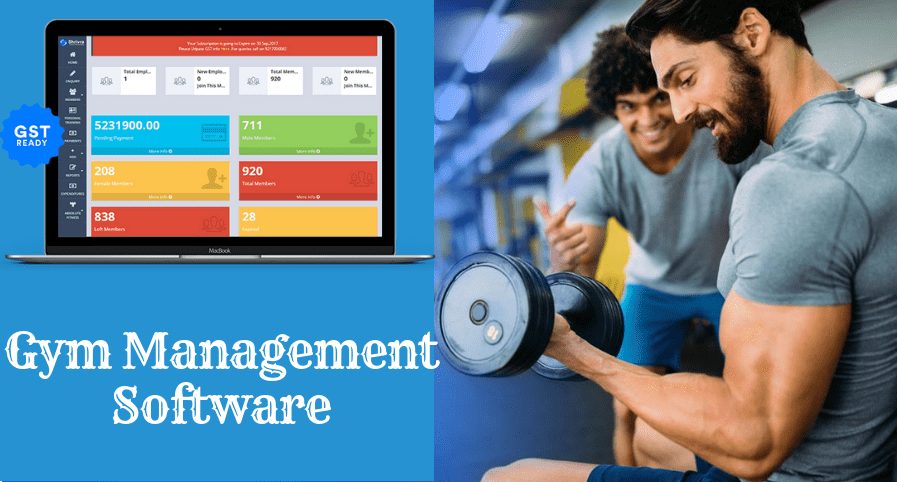
🏋️♂️ Manage Classes Effortlessly: DigiFit simplifies class management by providing a user-friendly interface that allows you to effortlessly schedule, organize, and monitor your gym, yoga, or dance classes. With just a few clicks, you can set up recurring classes, add new sessions, and make real-time updates as needed.
📅 Dynamic Schedule Management: Say goodbye to manual scheduling headaches! DigiFit’s dynamic scheduling system adapts to changes on the fly. Whether it’s a last-minute class cancellation or a sudden addition to the timetable, you can easily modify your schedule without any hassle.
💻 Client Management Made Easy: Keep track of your clients with DigiFit’s comprehensive client management system. Store important information, track attendance, and monitor progress, all within one centralized platform. It’s the perfect tool to build strong client relationships and enhance their fitness journey.
📊 Performance Analytics: Make data-driven decisions with DigiFit’s robust analytics tools. Track attendance trends, identify popular classes, and assess client engagement to optimize your offerings. The software provides valuable insights that help you tailor your services to meet the evolving needs of your fitness community.
🤳 Mobile Accessibility: Access your fitness management hub anytime, anywhere, with DigiFit’s mobile app. Stay connected with your business on the go, and empower your clients to book classes, track progress, and engage with your services through their smartphones.
🌐 Online Booking and Payments: Simplify the booking process for your clients with DigiFit’s online booking feature. Streamline payments, offer package deals, and manage memberships seamlessly. The integrated payment system ensures a hassle-free transaction experience for both you and your clients.
🚀 Grow Your Fitness Business: DigiFit isn’t just a management tool; it’s a growth catalyst for your fitness business. With streamlined operations and enhanced client engagement, you can focus on what you do best – delivering top-notch fitness experiences.
Ready to elevate your fitness business to new heights? Embrace the future of fitness management with DigiFit. Say goodbye to administrative headaches and hello to a more efficient, organized, and thriving fitness community. Get started with DigiFit today and witness the transformation of your fitness business! 💪🏽✨ #DigiFit #FitnessManagement #ElevateYourFitnessBusiness
In the bustling city of Patna, where educational institutions thrive, college automation has emerged as a vital aspect of managing academic operations efficiently. College automation providers play a significant role in streamlining administrative tasks, improving communication, and enhancing the overall educational experience for both students and faculty members. This article highlights the benefits and features of college automation and explores some prominent providers in Patna, dedicated to transforming higher education institutions.
Benefits of College Automation:
Streamlined Administrative Tasks: College automation systems simplify various administrative tasks, including admission processes, fee management, attendance tracking, examination management, and result generation. These automated processes minimize paperwork, reduce errors, and save valuable time and resources for college staff.
Enhanced Communication: Effective communication is crucial for any educational institution. College automation platforms provide integrated messaging systems, enabling seamless communication between students, faculty, and administrators. This fosters better collaboration, quick information dissemination, and timely feedback, leading to improved student engagement and performance.
Efficient Resource Management: College automation solutions assist in managing resources effectively. They provide modules for inventory management, library management, and asset tracking, ensuring easy access to learning materials and optimized resource allocation.
Academic Performance Tracking: College automation systems offer comprehensive analytics and reporting features. This allows administrators and faculty members to track students’ academic progress, identify areas of improvement, and provide personalized guidance and support to maximize their potential.
Prominent College Automation Providers in Patna: online Admission Portal
EduPro: EduPro is a leading college automation provider in Patna. Their software offers a wide range of features, including online admission management, fee collection, attendance tracking, examination management, result generation, and comprehensive analytics. EduPro aims to simplify administrative tasks and enhance communication between stakeholders, ultimately contributing to improved academic outcomes.
CampusManager: CampusManager is a trusted name in college automation solutions in Patna. Their platform provides end-to-end automation for admission processes, fee management, attendance tracking, timetable generation, library management, and result processing. CampusManager emphasizes user-friendly interfaces and customization options to meet the unique requirements of each institution.
GANAK Technology : We offers a comprehensive college automation suite tailored for institutions in Patna. Their platform covers all aspects of academic management, including admission processes, fee collection, attendance tracking, examination management, and result analysis. We focuses on delivering a seamless experience for students, faculty, and administrators, empowering them to focus on their core responsibilities.
Conclusion: As technology continues to transform the education landscape, college automation providers in Patna play a crucial role in empowering educational institutions to streamline administrative tasks, enhance communication, and improve academic outcomes. With their comprehensive features and user-friendly interfaces, these automation solutions contribute to creating efficient and effective educational environments that benefit students, faculty, and administrators alike.
As of my last update in September 2021, “NACC” could refer to different organizations or institutions, so I’ll provide a general overview of the benefits of college automation in the context of higher education accreditation.
Streamlined Processes: College automation can simplify and expedite various administrative tasks, such as admissions, enrollment, course registration, and fee payment. This streamlining helps reduce paperwork, administrative burden, and human errors, resulting in increased efficiency and improved productivity.
Data Management and Reporting: Automation allows colleges to collect, store, and manage data more effectively. This data can be used for generating comprehensive reports, analyzing trends, and making data-driven decisions, all of which are essential aspects of the accreditation process.
Compliance and Accountability: Automation can assist colleges in adhering to accreditation standards and regulations. By automating processes, institutions can ensure that they consistently meet the necessary requirements, leading to enhanced compliance and greater accountability.
Quality Assurance: College automation can contribute to the enhancement of educational quality by standardizing processes and ensuring consistent practices throughout the institution. This, in turn, helps colleges demonstrate their commitment to providing a high standard of education and academic excellence.
Assessment and Evaluation: Automation can facilitate the assessment of student learning outcomes, faculty performance, and institutional effectiveness. It enables colleges to collect and analyze data related to these aspects, enabling them to identify areas for improvement and implement changes accordingly.
Communication and Engagement: Automation tools can improve communication between different stakeholders, such as students, faculty, staff, and external partners. This enhanced communication fosters greater engagement and collaboration, leading to a more connected and supportive college community.
Resource Optimization: Automating routine tasks can free up human resources, allowing staff and faculty to focus on more critical activities, such as academic research, student support, and curriculum development.
Cost Savings: Over time, automation can lead to cost savings due to increased efficiency and reduced reliance on manual labor. These savings can be reinvested in other areas that benefit the institution, such as infrastructure upgrades or academic programs.
It’s important to note that the specific benefits of college automation in the context of higher education accreditation may vary depending on the particular software and systems implemented by each institution. Moreover, technology is continually evolving, and new automation solutions may have emerged since my last update. As such, it’s always advisable to consult up-to-date sources and experts in the field for the latest insights on this topic.
In the modern world of business, Multi-Level Marketing (MLM) has emerged as a popular model for companies to expand their reach and increase sales. MLM enables organizations to leverage the power of a direct selling network, where independent distributors are incentivized to sell products or services and recruit new distributors. To effectively manage and streamline MLM operations, businesses are turning to customized MLM software development solutions. This article explores the benefits and key features of MLM software and how tailored solutions can pave the way for success.
Understanding MLM Software: MLM software serves as the backbone of any MLM business, providing comprehensive tools and functionalities to manage various aspects of the network. From distributor management and commission calculations to sales tracking and reporting, MLM software streamlines operations, enhances efficiency, and empowers businesses with valuable insights..
Tailored to Your Business Needs: Customized MLM software solutions are specifically designed to meet the unique requirements of your MLM business. Whether you operate in a specific niche, have complex commission structures, or require integration with existing systems, custom development ensures that the software aligns perfectly with your objectives.
Enhanced Distributor Management: MLM software simplifies the process of managing distributors, enabling you to easily track their performance, monitor sales, and provide real-time support. Customization allows you to implement features such as personalized distributor portals, automated onboarding, and training modules tailored to your distributor network.
Efficient Commission Calculation: Calculating commissions accurately and efficiently is a crucial aspect of MLM operations. Customized MLM software can handle complex commission structures, including binary, matrix, unilevel, and hybrid plans. The software automates commission calculations, ensuring transparency and minimizing errors.
Real-time Analytics and Reporting: Data is vital for making informed business decisions. MLM software provides comprehensive analytics and reporting features, offering real-time insights into distributor performance, sales trends, and revenue generation. Customized solutions can integrate with existing business intelligence tools, facilitating seamless data flow for more in-depth analysis.
Scalability and Flexibility: As your MLM business expands, so should your software. Customized MLM software is built to accommodate growth and can be easily scaled to match the increasing demands of your network. Additionally, it offers flexibility to adapt to evolving market trends and changing business needs.
Key Features of MLM Software:
Distributor management and recruitment tools
Commission and bonus calculations
Order and inventory management
E-commerce integration for online sales
Replicated websites for distributors
Genealogy tree visualization
Automated email marketing and communication
Mobile app compatibility
Social media integration
Choosing the Right MLM Software Development Partner: To unlock the full potential of MLM software, it is essential to partner with an experienced and reliable software development company. Look for a provider with a track record of delivering customized MLM software solutions, strong technical expertise, and excellent customer support. Collaborating with the right development partner ensures that your software is developed to the highest standards and aligns perfectly with your business objectives.
Conclusion: Customized MLM software development solutions empower businesses to efficiently manage their MLM operations, maximize sales, and drive growth. With features tailored to your unique requirements, MLM software provides the tools necessary to streamline distributor management, automate commission calculations, and gain valuable insights. Investing in a customized MLM software solution is a strategic decision that sets the stage for success in the competitive world of direct selling.
Types of MLM Structure
Multi-Level Marketing (MLM) plans are diverse and cater to different business models and compensation structures. Here are some of the most common types of MLM plans:
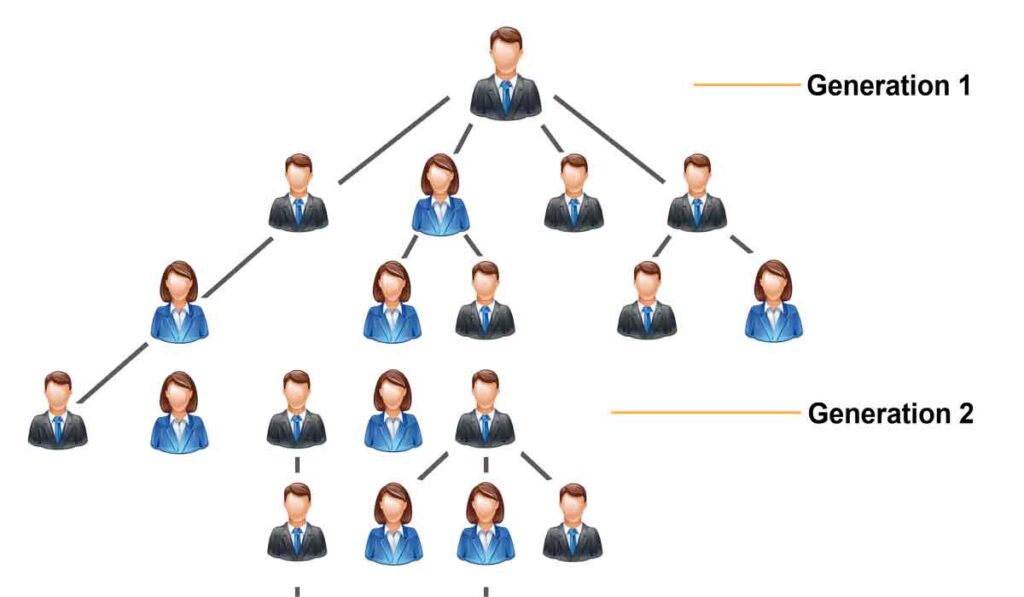
Binary Plan: In a Binary plan, distributors are organized into two legs or downlines. Each distributor can have only two frontline positions. As the network grows, new distributors are placed under existing positions, forming a binary tree structure. Commissions and bonuses are typically based on the sales volume of the weaker leg, encouraging teamwork and balanced growth.
Matrix Plan: Matrix plans use a fixed width and depth structure to organize distributors. For example, a 3×3 matrix plan has three positions on the first level and expands three levels deep. Once a level is filled, additional recruits “spillover” to lower levels of their upline. Commissions are usually earned based on the width and depth of the matrix.
Unilevel Plan: Unilevel plans allow distributors to recruit an unlimited number of frontline distributors. There are no width restrictions, and each distributor is placed directly under the sponsor. Commissions are typically based on the sales volume of individual distributors, often extending multiple levels deep.
Stairstep Breakaway Plan: In a Stairstep Breakaway plan, distributors start at a specific rank or step, and as they achieve certain sales or recruitment goals, they “break away” from their upline and become independent. Once they break away, they can earn higher commissions and bonuses based on the sales volume of their team.
Party Plan: The Party plan revolves around hosting product demonstration parties where distributors showcase and sell products to a group of attendees. Commissions and bonuses are earned based on sales made during these parties. Typically, the hostess of the party receives additional rewards or discounts based on the party’s total sales.
Hybrid Plan: Hybrid plans combine elements of multiple MLM plans to create a customized compensation structure. For example, a plan may incorporate aspects of a Binary plan with a Matrix plan, allowing distributors to build multiple legs while maintaining a limited width. These plans offer flexibility and adaptability to suit specific business requirements.
Australian Binary Plan: This plan is a variation of the Binary plan where distributors can have more than two frontline positions. It often includes a designated position known as a “power leg” or “strong leg” that receives spillover from the upline, creating potential for faster growth.
Gift/Donation Plan: Also known as a Cash Gifting plan, this model involves members gifting or donating money to others within the network. The focus is on recruiting new members who make donations, with the promise of receiving donations from subsequent recruits. It is important to note that such plans may be subject to legal regulations and restrictions in many jurisdictions.
It’s worth noting that each MLM plan has its advantages, disadvantages, and specific requirements. Businesses should carefully analyze their goals, target audience, and product/service offerings before selecting the most suitable MLM plan for their operations. Compliance with legal and regulatory guidelines is essential when implementing any MLM plan.
Koha library software in India, Bihar, Jharkhand, West Best Bangal
Here are 10 alternative software to Koha that are popular in India:
NewGenLib – NewGenLib is an open-source ILS that offers a wide range of functionalities, including cataloging, circulation, and acquisition, and is widely used by libraries in India.
E-Granthalaya – E-Granthalaya is a web-based ILS developed by the National Informatics Centre (NIC) and is used by many government libraries in India. It offers a comprehensive suite of library automation functionalities, including cataloging, circulation, and patron management.
SOUL – SOUL (Software for University Libraries) is an ILS developed by the INFLIBNET Centre and is widely used by academic libraries in India. It provides functionalities for cataloging, circulation, and acquisitions, among others.
eMaster – eMaster is a customized version of ILS developed by Ganak Technology and is used by many libraries in India, especially academic libraries. It offers a wide range of functionalities, including cataloging, circulation, and acquisitions. Its pro version comes with a digital library/eLibrary and Advanced learning management system.
L2 – L2 is an open-source ILS developed by LibTech India and is widely used by public and school libraries in India. It offers basic library automation functionalities, including cataloging, circulation, and patron management.
Alice for Windows – Alice for Windows is an open-source ILS developed by the Centre for Development of Advanced Computing (C-DAC) and is widely used by academic and research libraries in India. It provides functionalities for cataloging, circulation, and acquisitions, among others.
Koha-India – Koha-India is a customized version of Koha developed specifically for Indian libraries. It offers functionalities for cataloging, circulation, and acquisitions, among others.
SLIM21 – SLIM21 is a web-based ILS developed by the Society for the Advancement of Library and Information Science (SALIS) and is widely used by academic libraries in India. It provides functionalities for cataloging, circulation, and patron management, among others.
LIBSYS – LIBSYS is a commercial ILS widely used by academic and research libraries in India. It provides a comprehensive suite of library automation functionalities, including cataloging, circulation, and acquisitions.
Invenio – Invenio is an open-source digital library system developed by CERN and is used by many research libraries in India. It provides functionalities for managing digital resources, including e-books, journal articles, and conference papers.
Intrudcing eMaster Library Software with eLearning
Introducing eMaster Library Software with eLearning can be a powerful combination that enhances the educational experience for students and simplifies library management for educational institutions. Here’s how the integration of eMaster Library Software with eLearning can benefit students, teachers, and administrators:
Digital Library Access: eMaster Library Software allows educational institutions to create a comprehensive digital library with access to a vast collection of e-books, research papers, journals, and other online resources. Students can access these resources from anywhere, anytime, facilitating self-paced learning and research.
Enhanced Learning Opportunities: By integrating eLearning resources with the digital library, students can access interactive e-learning modules, videos, and multimedia content related to their courses. This creates a dynamic learning environment, catering to various learning styles and promoting deeper understanding of the subjects.
Easy Resource Discovery: eMaster Library Software offers powerful search and categorization features that make it easy for students and teachers to find relevant resources quickly. Whether it’s an e-book, video lecture, or research article, users can locate the materials they need with ease.
Personalized Learning Paths: The integration of eMaster Library Software with eLearning enables the creation of personalized learning paths for students. Based on their performance and preferences, students can receive recommendations for additional reading materials or e-learning modules that align with their academic goals.
Collaboration and Discussion: eMaster Library Software often includes features for collaborative learning, allowing students and teachers to engage in discussions, share notes, and work on projects together. This fosters a sense of community within the eLearning environment and promotes active participation.
Progress Tracking and Assessment: eLearning platforms typically provide tools for tracking student progress and performance. By integrating with the library software, educators can monitor students’ engagement with additional resources and use this data to assess their understanding and adapt teaching strategies accordingly.
Analytics and Insights: The integration of eMaster Library Software with eLearning offers valuable insights into students’ reading habits, resource usage, and learning preferences. This data can help administrators and educators optimize library resources and improve the overall eLearning experience.
Simplified Library Management: For educational institutions, eMaster Library Software streamlines library management tasks, such as cataloging, inventory management, and circulation control. Automating these processes saves time and effort, allowing library staff to focus on providing better services to users.
Cost-Effective Solution: Investing in a combined eMaster Library Software and eLearning platform can be cost-effective in the long run. It reduces the need for physical resources and associated maintenance costs, while also providing access to a broader range of materials.
Overall, the integration of eMaster Library Software with eLearning creates a holistic learning ecosystem that benefits both students and educational institutions. It enriches the learning experience, encourages independent research, and improves library management efficiency, all contributing to a more effective and engaging educational environment.
Creating a website for small businesses and startups has several benefits, including:
Increased visibility: A website can help small businesses reach a wider audience by making their products and services accessible to anyone with an internet connection.
Credibility: Having a professional-looking website can give small businesses the appearance of being established and trustworthy.
Better customer engagement: A website can provide a platform for small businesses to engage with their customers, receive feedback, and offer support.
Low budget -For small businesses and startups with a limited budget, it is important to find a web designer who can create a website that is both professional-looking and affordable. There are many web design agencies in Bihar, India, that specialize in creating low budget websites for small businesses. These agencies can create a website that meets the specific needs of a small business while staying within their budget.
lack of roadmap –
limited content
Website Design for Startups:
For startups, a website can be the difference between success and failure. A well-designed website can help startups establish credibility and attract investors. However, startups often have a limited budget and need to prioritize their spending. When it comes to website design, startups should focus on creating a website that is simple, professional-looking, and provides the necessary information about the product or service. Startups can work with a web design agency that specializes in creating websites for startups to ensure that their website meets their specific needs.
Website Design Tips for Small Businesses:
Keep it simple: A simple and straightforward design is often more effective than a complicated one. A website that is easy to navigate and understand can help small businesses attract and retain customers.
Focus on user experience: A website should be designed with the user in mind. A website that is easy to use and provides the necessary information will keep customers coming back.
Invest in quality content: Quality content is key to creating a successful website. Small businesses should focus on creating content that is relevant, informative, and engaging.
Optimize for search engines: A website that is optimized for search engines will be more visible to potential customers. Small businesses should work with a web design agency that understands search engine optimization (SEO) to ensure that their website ranks well in search engine results.
In conclusion, creating a website is an essential part of building an online presence for small businesses and startups. With the right web design agency and a focus on creating a simple, user-friendly website, small businesses can establish credibility, increase visibility, and engage with customers. Whether a small business is just starting out or is experiencing rapid growth, a well-designed website can be the key to success.
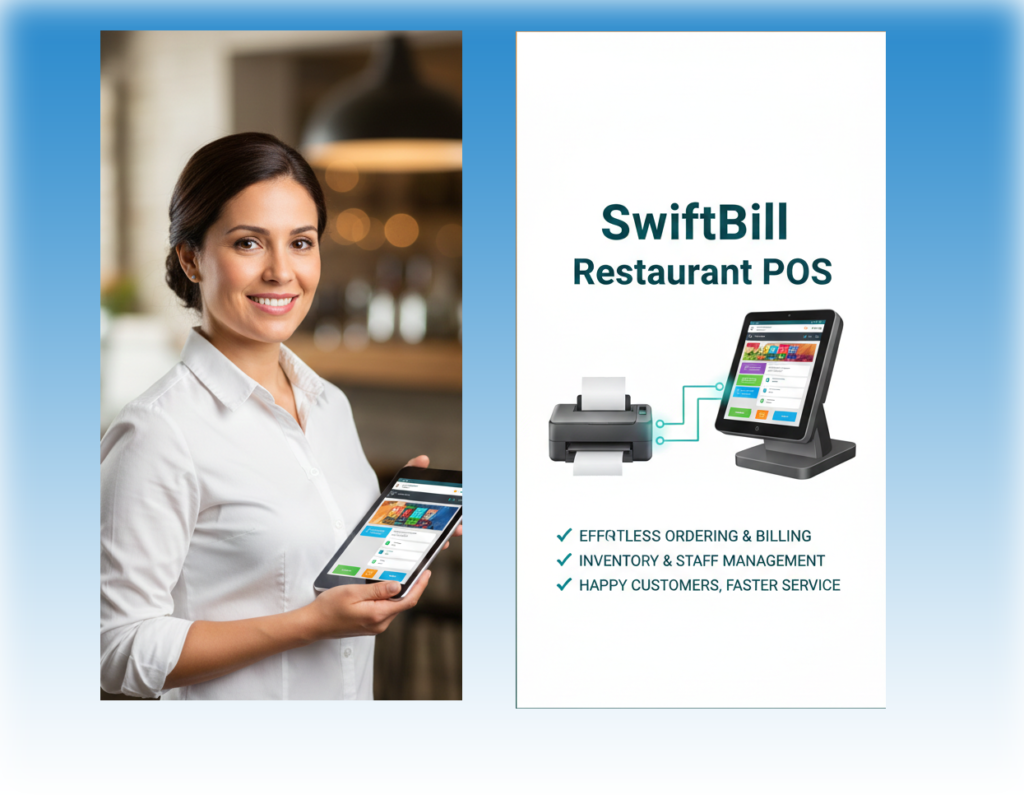
Running a business today demands speed, accuracy, and compliance. Our Billing Software / Accounting Software is built to simplify invoicing, GST management, payment tracking, and reporting—without unnecessary complexity.
From retail shops and restaurants to service providers and enterprises, this solution adapts seamlessly to different workflows. Businesses benefit from faster billing, fewer errors, and better financial visibility across operations.
Why Choose Our Billing & Accounting Software?
Designed with real business needs in mind, our software delivers performance, flexibility, and ease of use.
User-friendly and intuitive interface
GST-ready billing system
Real-time reports and insights
Secure, scalable architecture
Ideal for small, medium, and large businesses
Built by experienced professionals and tested in real-world scenarios, the software lets you start billing confidently from day one.
Key Features of Billing Software / Accounting Software
Smart Billing & Invoicing
Create professional invoices quickly with automated tax calculations and multiple invoice formats.